Understanding the Exceptional Antioxidant Capacity of Aronia Berries
Aronia berries are among the most concentrated plant sources of antioxidants ever studied. Here's what that means, and why it matters.
What Are Antioxidants?
Every day, the human body carries out thousands of chemical reactions necessary to produce energy, repair tissues, fight infection, and sustain life. During these normal processes, reactive molecules known as reactive oxygen species (ROS) are produced.1,2
ROS have useful functions in the body, including roles in cellular signaling and immune defense. However, when their production becomes excessive relative to the body's protective systems, an imbalance known as oxidative stress can occur.1,2
Oxidative stress can contribute to damage to cellular components, including lipids, proteins, and DNA. For this reason, scientists have devoted considerable attention to antioxidants and antioxidant-rich foods.
Antioxidants are compounds that help protect the body against the effects of reactive oxygen species. The Institute of Medicine formally defines a dietary antioxidant as "a substance in foods that significantly decreases the adverse effects of reactive species...on normal physiological function in humans."4
The body produces its own antioxidant defenses, but foods—particularly deeply colored fruits and vegetables—also provide compounds that participate in antioxidant and other biological processes.
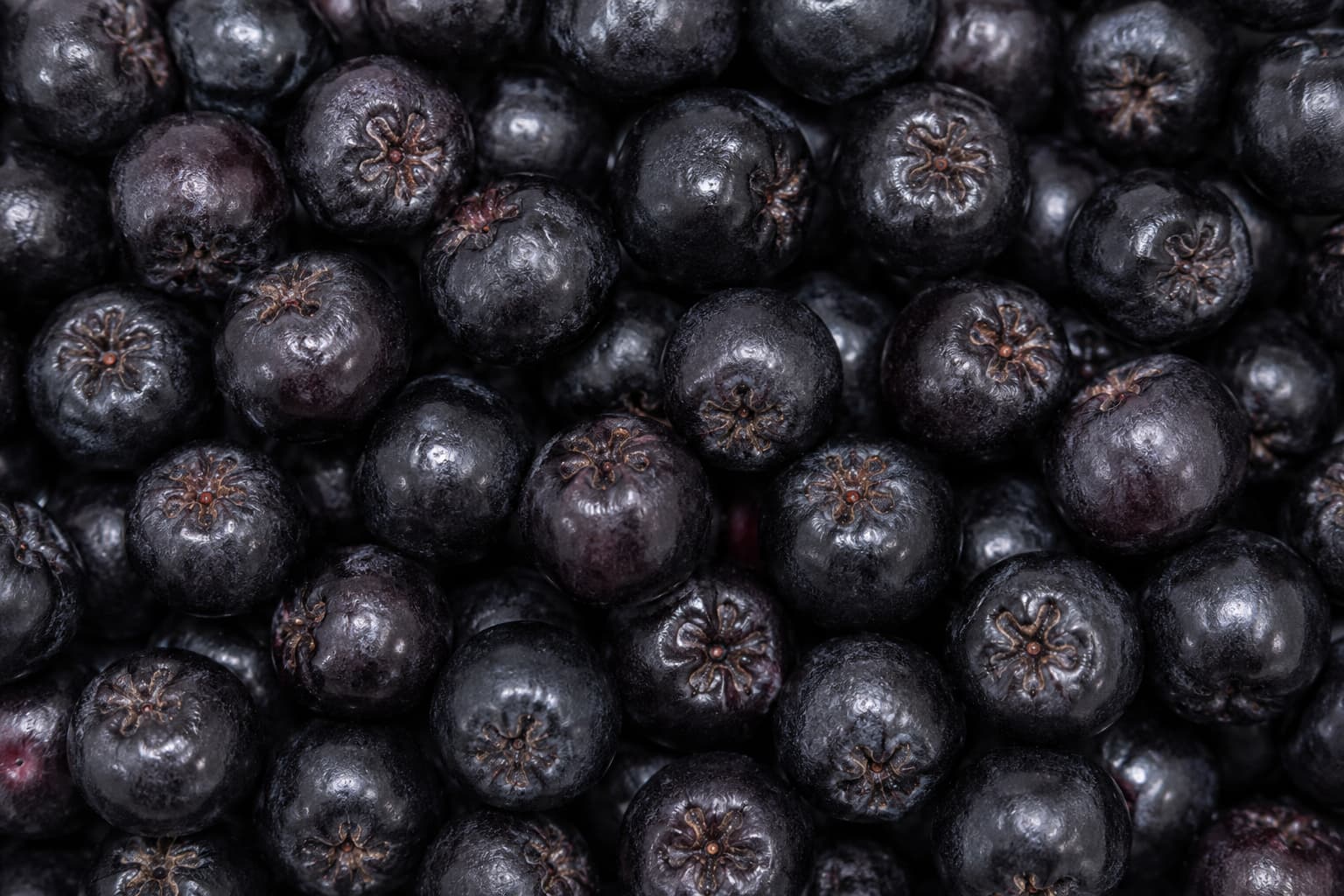
Among the most important plant compounds are polyphenols. Aronia berries (Aronia melanocarpa) are an exceptionally concentrated source of polyphenols, particularly:
- Anthocyanins — pigments responsible for aronia's characteristic deep purple-black color
- Proanthocyanidins, or procyanidins — polyphenols that contribute significantly to aronia's antioxidant capacity and its characteristic astringency
- Chlorogenic and neochlorogenic acids — important phenolic acids found in the fruit
- Flavonols — including several quercetin derivatives
Modern analytical studies continue to confirm the unusually rich polyphenol composition of aronia berries.5
A Note on Antioxidants and Health
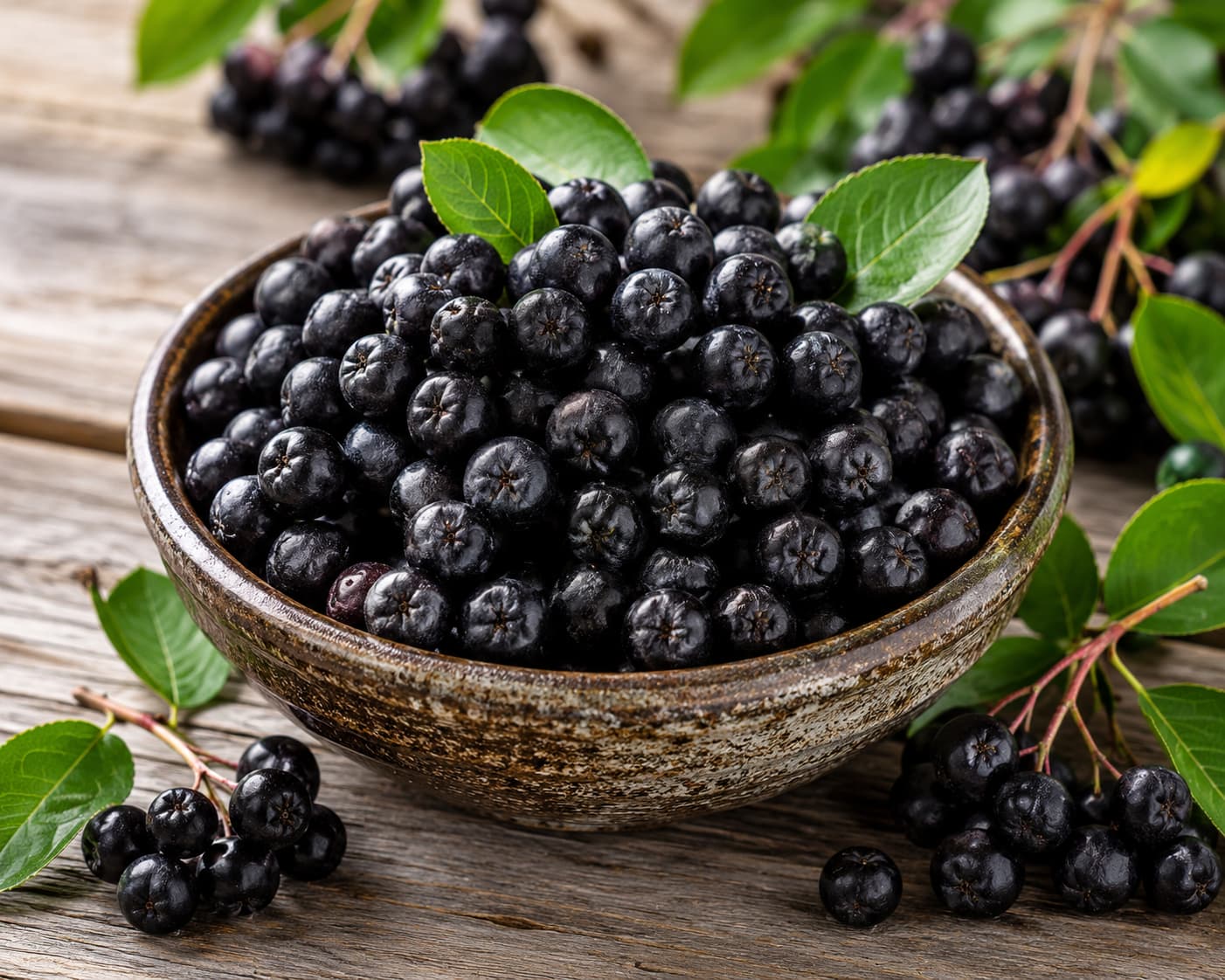
It's worth understanding what antioxidant research does and doesn't currently show. Diets rich in antioxidant-containing fruits and vegetables are consistently associated with lower rates of chronic disease. However, isolated antioxidant supplements have not been shown to produce the same benefit, and in some cases—such as high-dose beta-carotene in smokers—supplementation has been linked to increased health risks.3This is one reason nutrition scientists generally recommend obtaining antioxidants through whole foods, like aronia berries, rather than relying on isolated supplements.
References
- Sies, H., Berndt, C., & Jones, D.P. (2017). "Oxidative Stress." Annual Review of Biochemistry, 86, 715–748.View source↩¹↩²
- Liguori, I., et al. (2018). "Oxidative stress, aging, and diseases." Clinical Interventions in Aging, 13, 757–772.View source↩¹↩²
- National Center for Complementary and Integrative Health. "Antioxidant Supplements: What You Need To Know." National Institutes of Health.View source↩
- Institute of Medicine (US) Panel on Dietary Antioxidants and Related Compounds. (2000). Dietary Reference Intakes for Vitamin C, Vitamin E, Selenium, and Carotenoids. National Academies Press.View source↩
- Kulling, S.E. & Rawel, H.M. (2008). "Chokeberry (Aronia melanocarpa) – A Review on the Characteristic Components and Potential Health Effects." Planta Medica.View source↩