
Growing Aronia in the Rocky Mountain West
A promising new superfruit for the high valleys of the Rocky Mountains—and other cold, challenging growing regions across North America.
Although the aronia berry (Aronia melanocarpa) is native primarily to eastern North America, it has proven to be a remarkably adaptable fruit crop. Aronia has successfully moved far beyond its native range and is now cultivated in different regions of North America, Europe, and Asia.
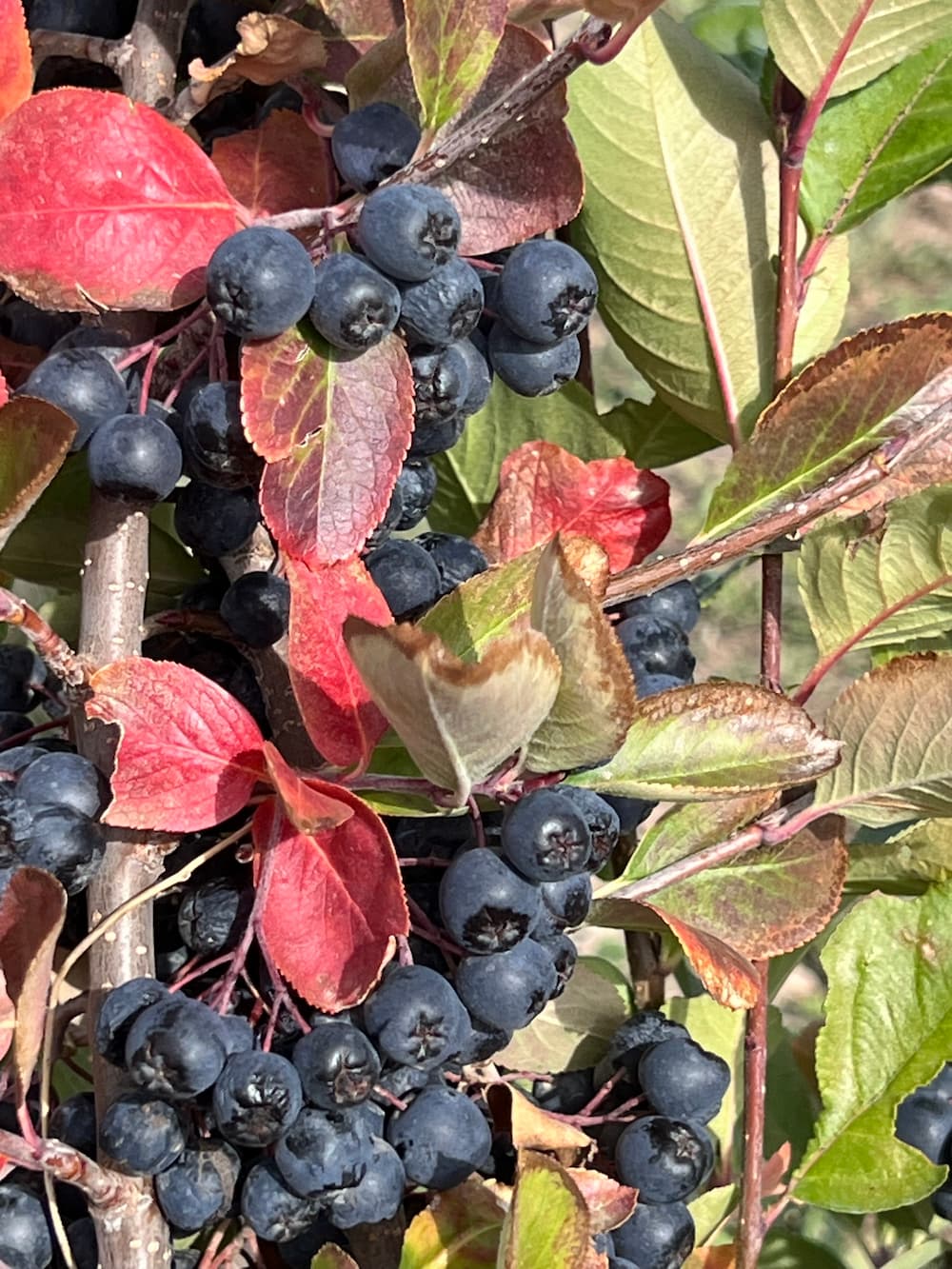
A Remarkably Cold-Hardy, Adaptable Shrub
University research consistently describes aronia as an unusually hardy and adaptable plant. Multiple university extension programs rate it as hardy to USDA Plant Hardiness Zone 3—a zone the USDA defines as having average annual minimum winter temperatures of –40°F to –30°F, or roughly –40°C to –34°C.1Very few fruit crops can survive winters that cold.
Iowa State University Extension reports that aronia is adapted to a wide range of soils, tolerates both poorly drained and excessively drained conditions, and does not require particularly fertile ground. It also notes that aronia has relatively few major pest problems, one reason the plant can be comparatively easy to grow.2University of Minnesota Extension similarly describes black chokeberry as a hardy, adaptable shrub tolerant of a wide range of soil textures, moisture levels, and soil pH.3
North Dakota State University's Carrington Research Extension Center has evaluated aronia under actual field conditions as part of its Northern-Hardy Fruit Evaluation Project, active since 2006.4The center confirms aronia's Zone 3 hardiness rating and reports yields of approximately 10 pounds of fruit per shrub once established.5 A separate NDSU overview of the center's fruit trials describes aronia's soil tolerance as ranging from wet to dry, including some tolerance of salt.6
Evidence from the Upper Midwest and Northern Great Plains
Some of the strongest evidence for aronia's adaptability comes from commercial production well outside its native range, across climates with severe winters, significant heat, and relatively short growing seasons.
Iowa has become one of the leading U.S. states for aronia production by acreage planted.7University of Wisconsin–Madison Extension describes aronia as a highly productive perennial crop tolerant of a wide range of growing conditions, with relatively few pest and disease issues. Wisconsin's data reports average yields of approximately 15–20 pounds per mature plant, with potential yields exceeding 10,000 pounds per acre—though plants typically don't reach significant production until their fourth or fifth year.8
Taken together, this represents successful aronia cultivation spanning a wide range of winter temperatures, summer heat, rainfall, and soil types—from Iowa and Nebraska northward through Wisconsin, Minnesota, and North Dakota.
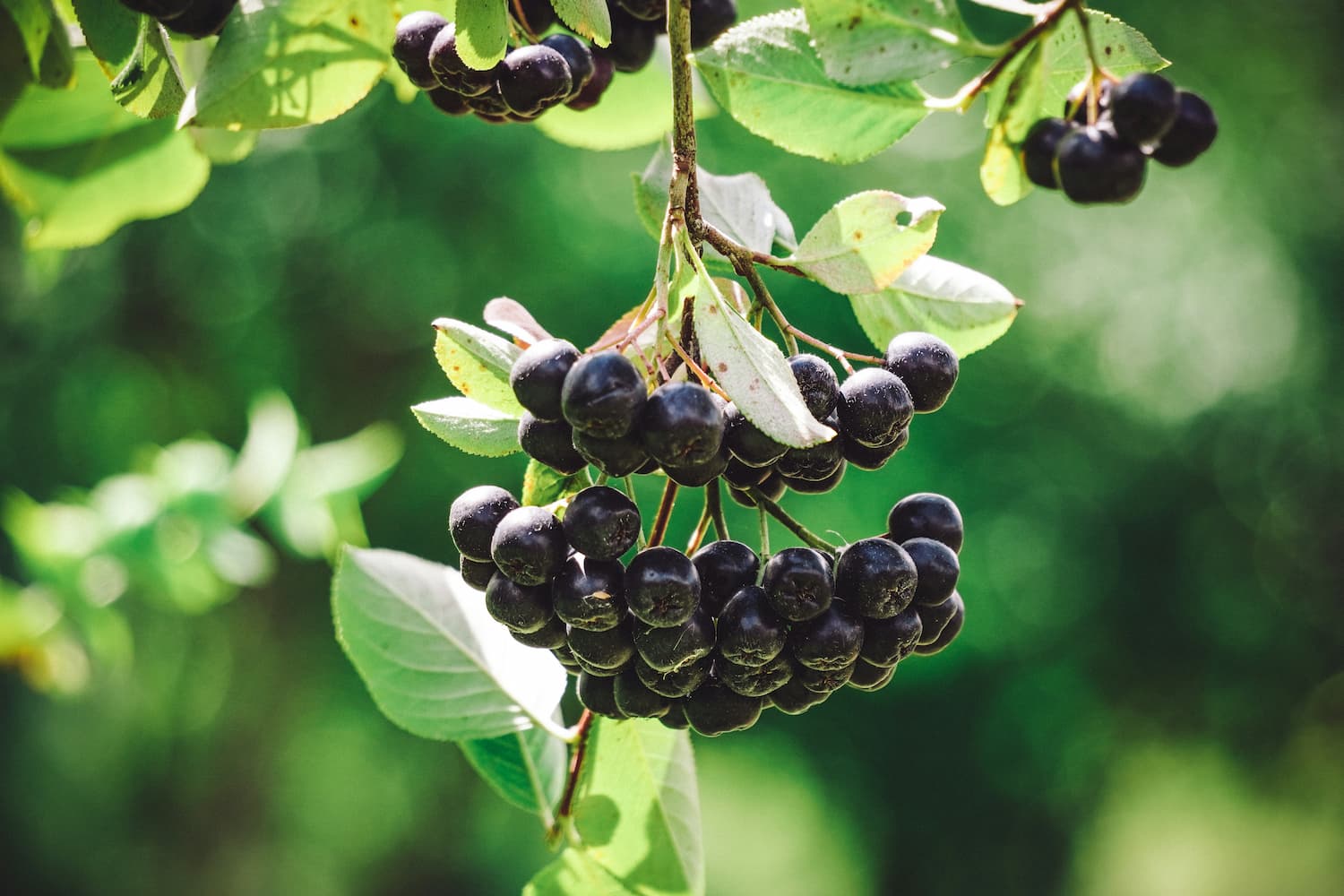
Signs of Promise for Utah and the Rocky Mountain West
Utah State University Extension has identified Aronia melanocarpa as a potential drought-tolerant edible crop for Southwest agriculture, listing it as hardy in Zones 3–8 and reporting tolerance of clay, wet, and even somewhat saline soils.9Separately, a USU Extension guide to landscape plants for Utah's high mountain valleys lists Aronia melanocarpa as hardy in Zones 3–8 and specifically describes the plant as "adaptable to many conditions."10
These characteristics matter for the Rocky Mountain West because growers here contend with cold winters, summer heat, limited precipitation, irrigation constraints, and soils that vary considerably from one valley to another. Aronia's cold hardiness is compatible with severe mountain winters, while its tolerance of varying soil conditions and periods of drought may give growers more flexibility than some traditional berry crops allow.
Commercial aronia production in Utah is still in its early stages. Growers who have planted aronia over approximately the past five to seven years report that the bushes have grown well and appear well-suited to the climate of Utah's higher valleys—though it's worth noting this is grower experience rather than published university research, and Utah-specific field studies have not yet been conducted.
What We Still Need to Learn
There is still much to learn about aronia in the Rocky Mountain region. Utah-specific research is needed to establish the best cultivars, planting densities, irrigation schedules, fertility programs, harvest methods, expected yields, and long-term economics of commercial production.
In particular, aronia's tolerance of drought should not be confused with an absence of irrigation requirements. Established plants can tolerate periods of water stress, but adequate water during hot, dry periods remains important for maintaining fruit size, quality, and plant productivity.
Nevertheless, the evidence is encouraging. The same characteristics that have allowed this eastern North American native fruit to succeed in very different growing regions—winter hardiness, soil adaptability, tolerance of environmental stress, and relatively limited pest problems—are also the characteristics that make aronia an intriguing crop to consider for the high valleys of the Rocky Mountain West.
References
- U.S. Department of Agriculture, Agricultural Research Service. USDA Plant Hardiness Zone Map.View source↩
- Hannan, J. "Growing Aronia in Iowa." Iowa State University Extension and Outreach, Yard and Garden.View source↩
- University of Minnesota Extension. "Black Chokeberry."View source↩
- North Dakota State University, Carrington Research Extension Center. "Northern-Hardy Fruit Evaluation Project."View source↩
- North Dakota State University, Carrington Research Extension Center. "Aronia mitschurinii," Northern Hardy Fruit Evaluation Project.View source↩
- North Dakota State University, Carrington Research Extension Center. "Overview of CREC Fruits" (2015).View source↩
- Gao, G.Y., Slaughter, R., Barrett, E., & Rivera, M. (2024). "Growing Aronia (Aronia melanocarpa) in Ohio." Ohio State University Extension, ANR-0157.View source↩
- University of Wisconsin–Madison Extension. "Aronia Berries," Crops and Soils.View source↩
- Rice, E. & Curtis, K.R. "Drought-Tolerant Options for Southwest Agriculture: Edible Produce." Utah State University Extension.View source↩
- Rupp, L., Varga, W.A., Cerny, T.A., Reid, C.R., & Kuhns, M.R. "Selection and Culture of Landscape Plants in Utah: A Guide for High Mountain Valleys." Utah State University Extension.View source↩