
Free Radicals and Oxidative Stress
Free radicals are a normal part of human biology—but when their production gets out of balance, they can affect the body in ways antioxidants help keep in check.
Free radicals are highly reactive molecules or atoms that contain one or more unpaired electrons. Because electrons normally exist in pairs, an unpaired electron can make a molecule unstable and highly reactive. A free radical may react with nearby molecules in an effort to reach a more stable chemical state.1
In the human body, many free radicals are formed as part of a broader group of chemically reactive substances called reactive oxygen species (ROS). Importantly, not every ROS is technically a free radical, although the terms are sometimes used interchangeably in popular discussions.1,2
The body produces reactive oxygen species naturally. Every time our cells use oxygen to produce energy, reactive molecules can be generated as normal by-products of metabolism. Immune cells also deliberately produce reactive species as part of the body's defense against microorganisms.1
Free radicals and other reactive species, therefore, are not automatically harmful. At controlled levels, they participate in normal cellular signaling, immune function, and regulation of biological processes.1
When Free Radicals Become a Problem
Oxidative stress occurs when the production and removal of reactive species become imbalanced—because of increased production, reduced antioxidant defenses, impaired repair, or some combination of these factors.1,2
When oxidative stress becomes excessive or prolonged, reactive molecules can interact with important cellular structures. They can contribute to oxidation of:
- Lipids — including fats that form cellular membranes
- Proteins — potentially altering their structure and function
- DNA — potentially causing molecular damage and mutations
- Carbohydrates and other cellular molecules
One way to visualize the process is to think of oxidation as something similar—although not identical—to what happens when metal rusts or a cut apple turns brown after exposure to air. Oxygen-related chemical reactions are taking place. Inside the body, however, these reactions occur at the molecular level and are controlled by sophisticated antioxidant and repair systems.
The Chain-Reaction Effect
One reason free radicals can be damaging is their ability to initiate chain reactions. A reactive free radical can interact with another molecule and alter it. In some circumstances, that reaction creates another reactive molecule, which can then react with another nearby molecule.1
This is particularly important in lipid peroxidation, where oxidative reactions can spread through lipids within cellular membranes. The body has developed antioxidant systems partly to interrupt these reactions and maintain the proper chemical balance within cells.1,2
Free radicals and other reactive species are normal parts of human biology, but excessive or poorly controlled oxidative activity can contribute to oxidative stress and molecular damage.1,2
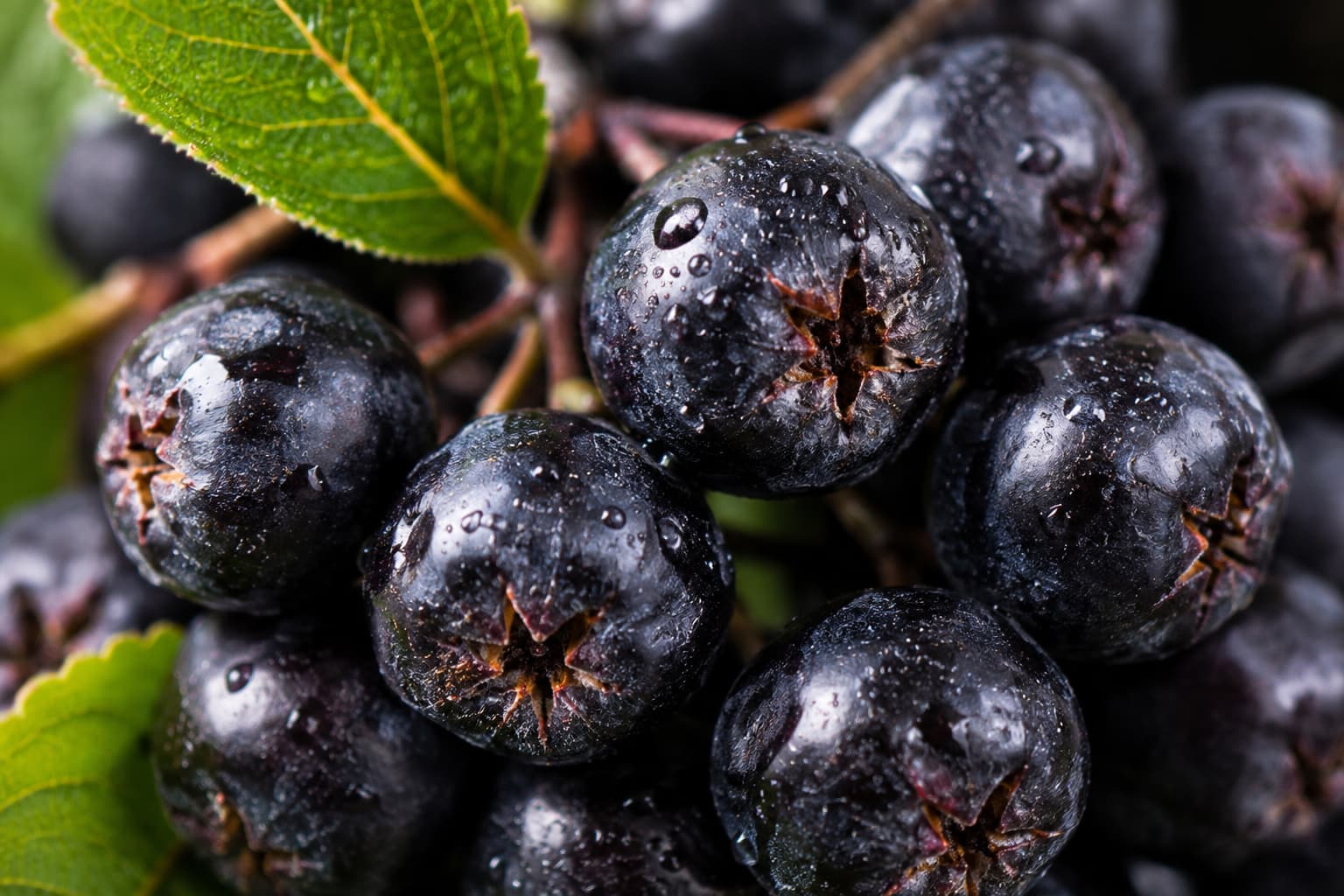
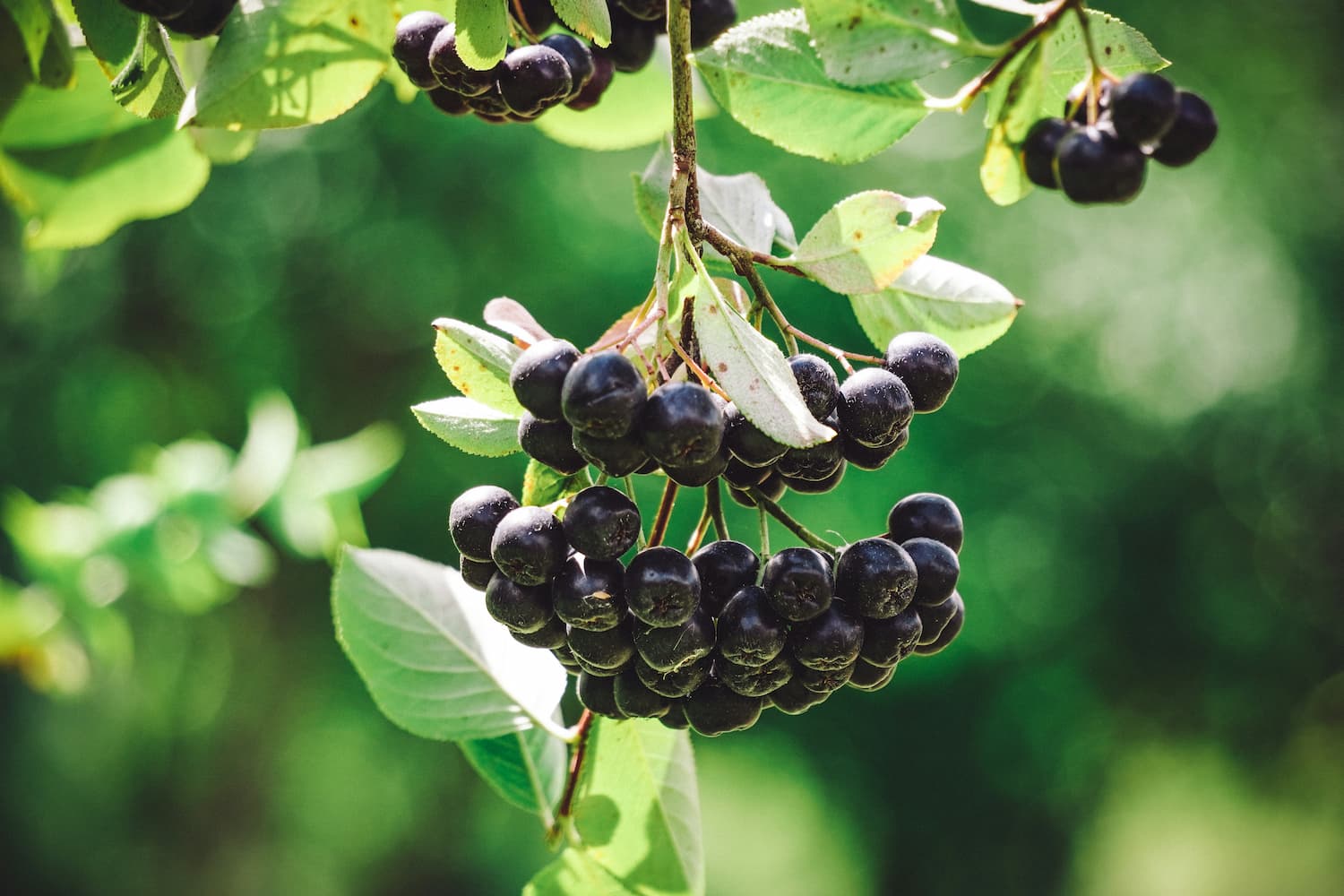
Polyphenol-rich foods such as aronia berries contain high concentrations of compounds like anthocyanins and proanthocyanidins, which have demonstrated antioxidant activity in laboratory assays.3
References
- Sies, H., Berndt, C., & Jones, D.P. (2017). "Oxidative Stress." Annual Review of Biochemistry, 86, 715–748.View source↩¹↩²↩³↩⁴↩⁵↩⁶↩⁷↩⁸↩⁹
- Liguori, I., et al. (2018). "Oxidative stress, aging, and diseases." Clinical Interventions in Aging, 13, 757–772.View source↩¹↩²↩³↩⁴↩⁵
- Kulling, S.E. & Rawel, H.M. (2008). "Chokeberry (Aronia melanocarpa) – A Review on the Characteristic Components and Potential Health Effects." Planta Medica.View source↩